Preserve

Leak detection plays a key role in keeping packaged food fresh, safe, and shelf-stable. Whether you're dealing with vacuum-sealed trays, flexible pouches, or modified atmosphere packaging (MAP), catching leaks early helps prevent spoilage, contamination, and expensive recalls. This guide covers essential strategies and technologies to help you safeguard your products and optimize your packaging process.
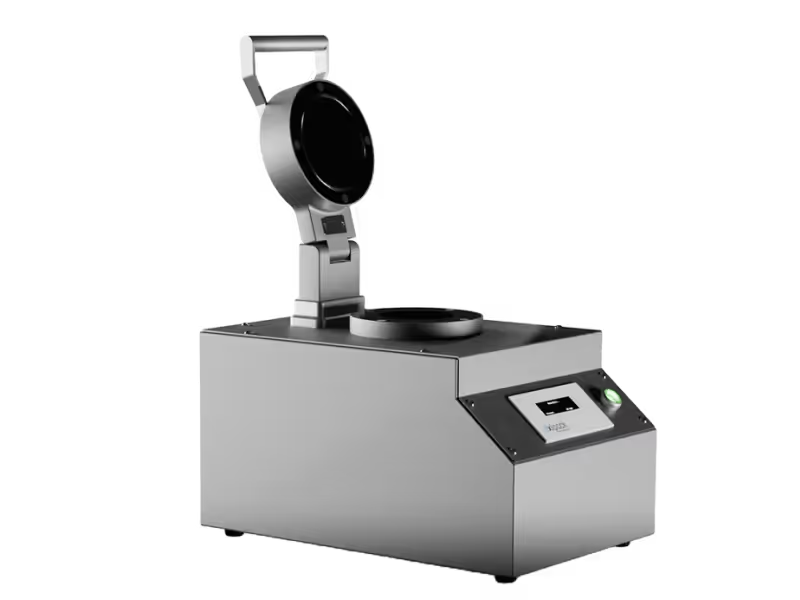

In the food and pharmaceutical packaging industries, even the smallest leak can cause big problems. A faulty seal lets in air, moisture, and bacteria, putting product integrity at risk. Effective leak detection helps maintain quality, ensures compliance, reduces waste, and protects your brand’s reputation.
Leak detection is a very important quality control step. It's a proactive approach to safeguarding your products, meeting regulatory requirements, and securing your business’s success. Investing in the right leak detection strategies allows you to:
Preserve product freshness and extend shelf life.
Prevent contamination and safety risks.
Avoid expensive recalls and damaged brand trust.
Ensure compliance with stringent industry standards and regulations.
Leak detection technology has come a long way, providing reliable and innovative solutions for various packaging types and production setups. Here are some of the most effective and widely used methods:
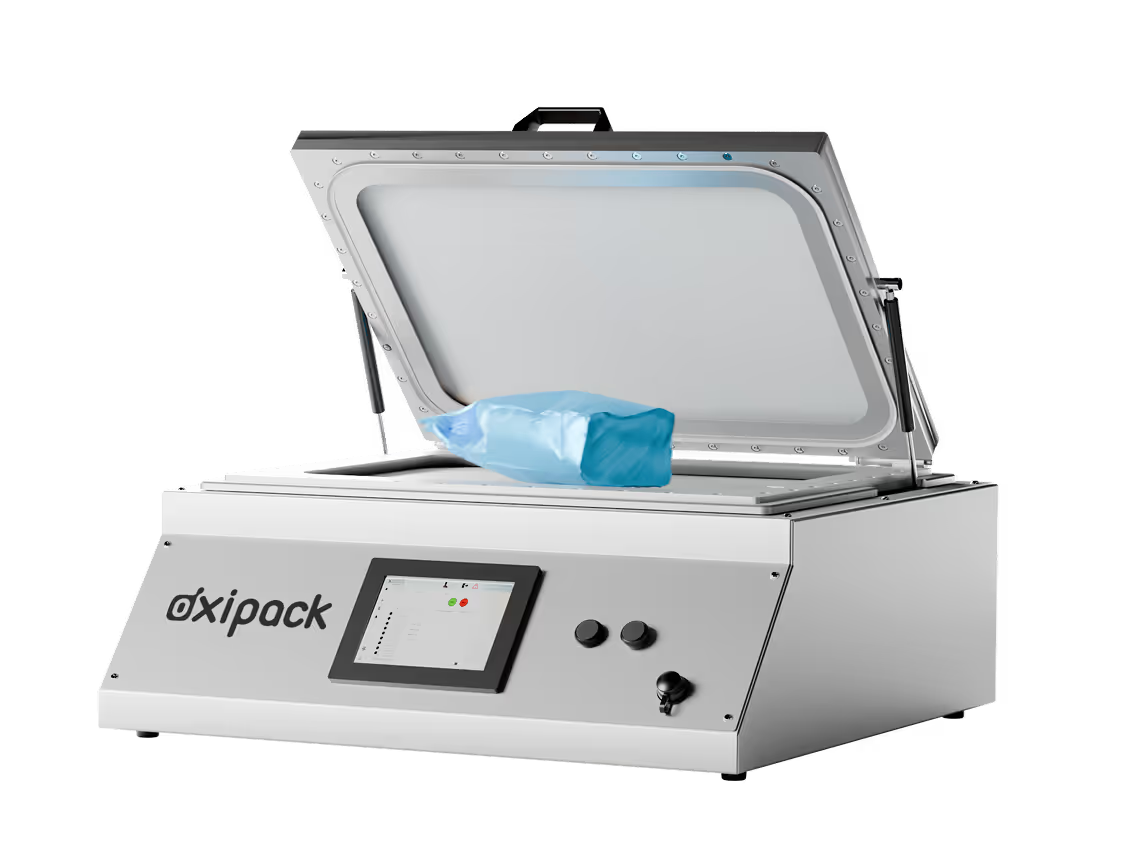
One of the most sensitive and non-destructive methods, vacuum decay testing measures pressure changes in a test chamber to detect leaks. It’s ideal for high-risk products where precision is key. This method aligns with ASTM standards and is widely used for detecting micro-leaks in flexible and rigid packaging.
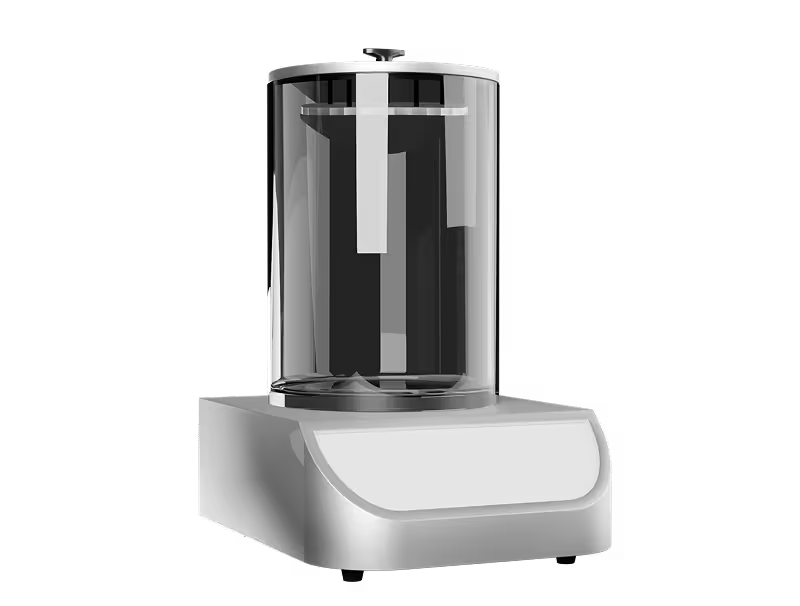
A simple yet effective method, bubble emission testing involves submerging the package in water and applying pressure or vacuum to observe if air bubbles escape. While cost-effective, it is destructive and less sensitive than other methods, making it best suited for larger leak detection.
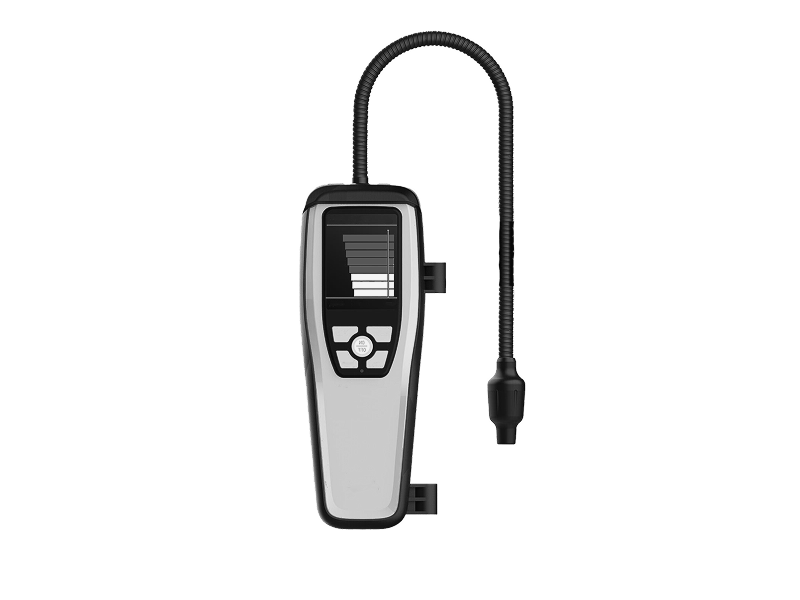
Using gases like helium or carbon dioxide, this method fills packaging with the tracer gas and measures for leaks using sensitive gas detectors. Tracer gas detection is one of the most precise techniques, ideal for detecting the smallest leaks, but it requires specialized equipment.
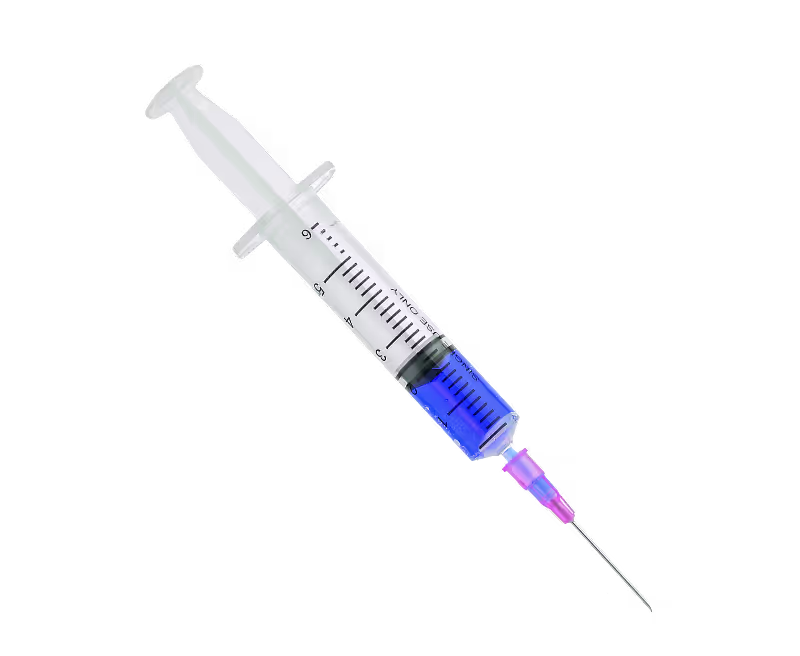
Blue dye leak testing is a probabilistic, destructive method used to detect leaks in sealed packages. The package is injected with a blue dye solution, and any leaks are identified by the presence of dye penetration, though it is prone to false positives and lacks quantitative accuracy.

Manual leak testing is a subjective and non-standardized method where an operator physically squeezes a package to check for escaping air or product, indicating a leak. This method is highly inconsistent, relies on human perception, and cannot detect microleaks reliably.
Choosing the right leak detection method depends on your packaging and production setup. Keep these key factors in mind when deciding on the best approach:

Different methods work better for flexible packaging (e.g., pouches) versus rigid packaging (e.g., bottles or trays).
High-risk products or sensitive packaging environments may require more precise methods like vacuum decay or tracer gas detection.
For high-throughput environments, methods like ultrasonic detection offer fast, non-invasive testing.
Non-destructive methods like vacuum decay allow packages to remain intact for further testing or sale.
Ensure your testing method complies with industry standards, such as ASTM F2338 for vacuum decay, to meet regulatory expectations.

Having the right equipment is only part of the equation when it comes to leak detection. To get accurate and reliable results, you also need solid operational practices. Here are some key ways to improve your process:
Ensure your testing equipment is routinely calibrated to maintain accuracy and prevent false positives or negatives.
Well-trained staff make all the difference in getting reliable, consistent test results. Keep skills sharp with regular training and updated protocols.
For high-stakes products, consider employing more than one detection method to ensure comprehensive testing coverage.
Maintain detailed records of testing results for quality assurance, regulatory audits, and internal improvements.

Keeping packaged food fresh and safe is a challenge, but the right leak detection methods can make all the difference. Understanding your options and choosing the right approach helps protect product quality, streamline operations, and prevent costly recalls. Whether you’re working with flexible pouches or rigid containers, catching leaks early ensures compliance, saves money, and—most importantly—keeps your customers’ trust.
