Proper Verification and Validation
Ensure proper Verification and Validation of the vacuum decay system for accurate results.

Is your packaging truly leak-proof? Vacuum decay testing is the gold-standard method for uncovering hidden leaks, ensuring your products stay fresh, safe, and high-quality—all without damaging a single package.
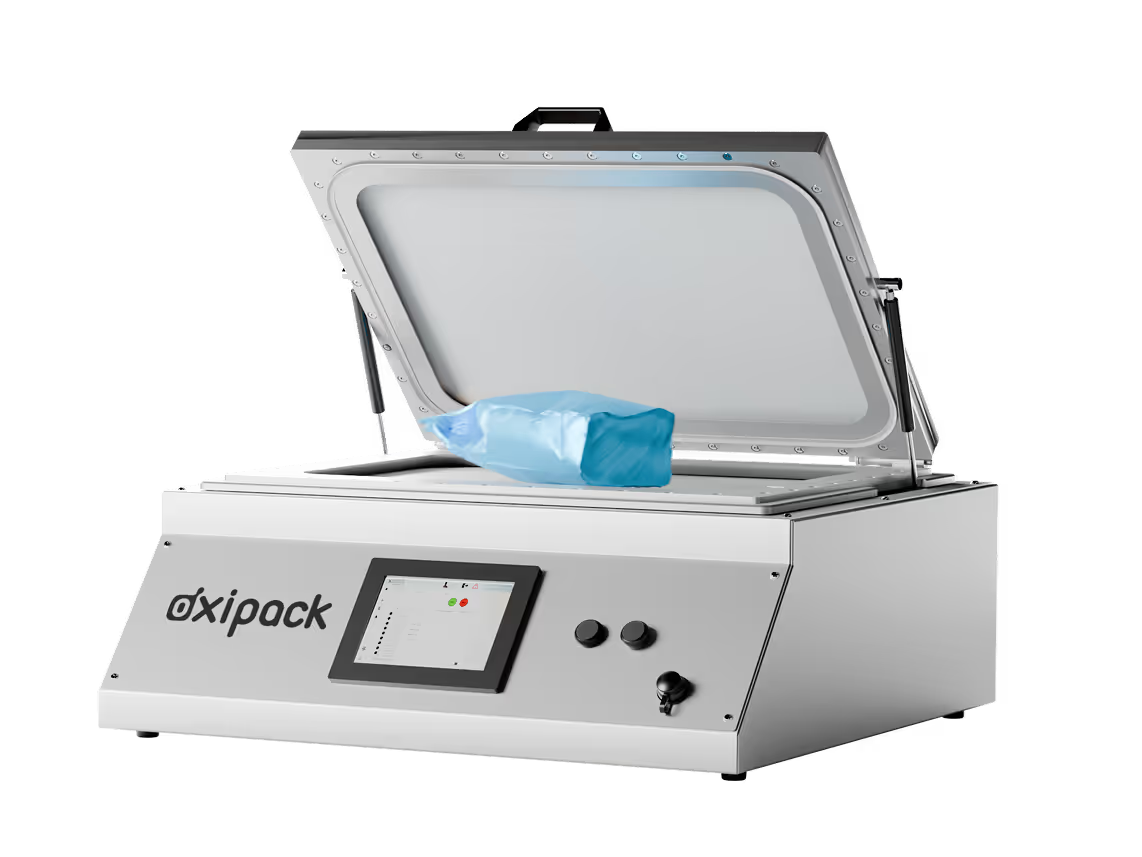


Vacuum decay is one of the most trusted methods for detecting leaks in sealed food packaging. As a non-destructive, highly sensitive technique, it has become an essential part of quality control for manufacturers around the globe. This guide will walk you through the vacuum decay process, its benefits, and how it can help safeguard the integrity of your packaging.
Vacuum decay testing is a non-destructive method used to detect leaks by measuring pressure changes inside a test chamber. When a vacuum is applied to the packaging, any leaks will cause air to enter the chamber, which results in a measurable pressure rise. This test method is particularly effective for detecting small leaks that could compromise the product’s shelf life or safety.
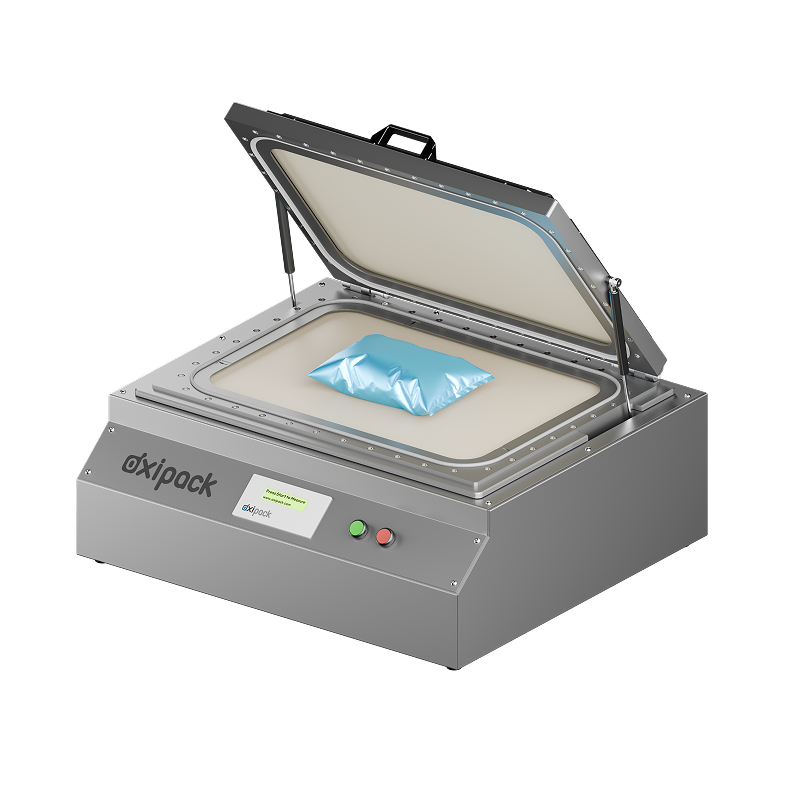
The sealed package is placed inside a test chamber, and the chamber is sealed.
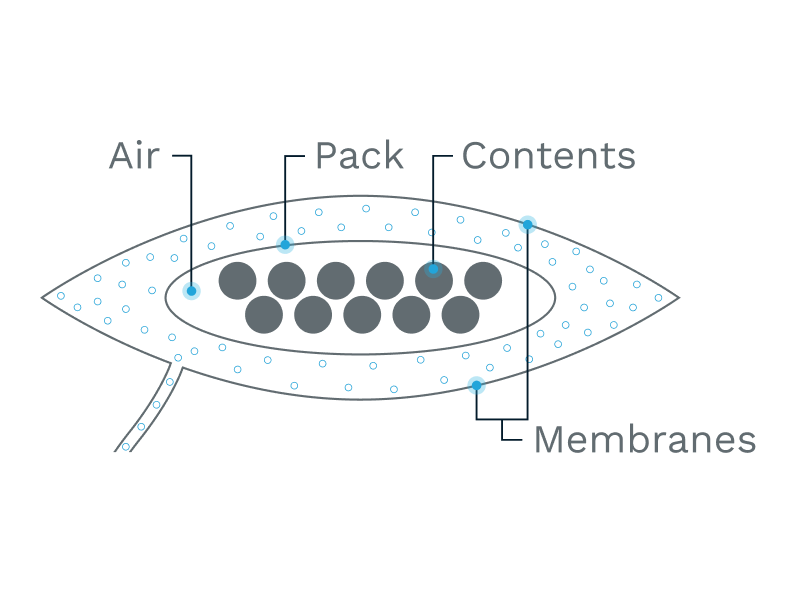
A vacuum is applied to the chamber, reducing the internal pressure.
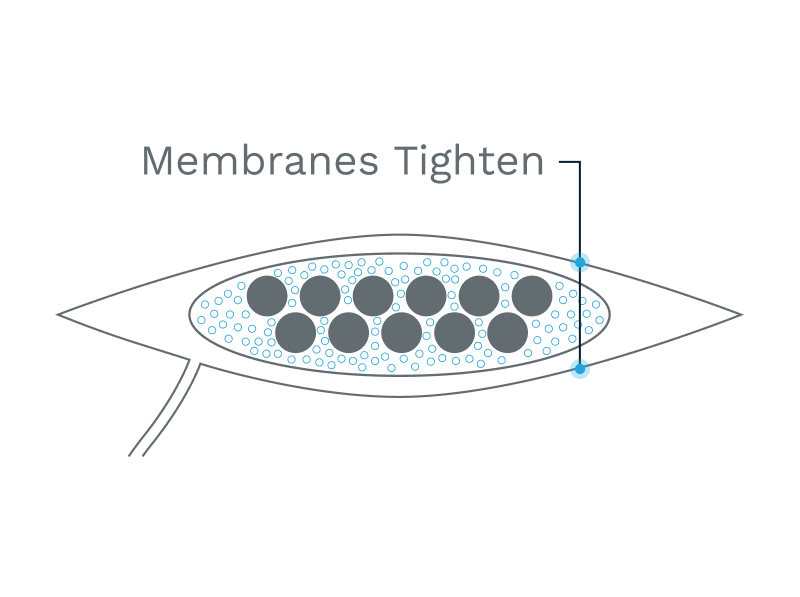
The pressure inside the chamber is monitored over a set time period. If there is a leak, air will be drawn into the package, causing a rise in pressure.
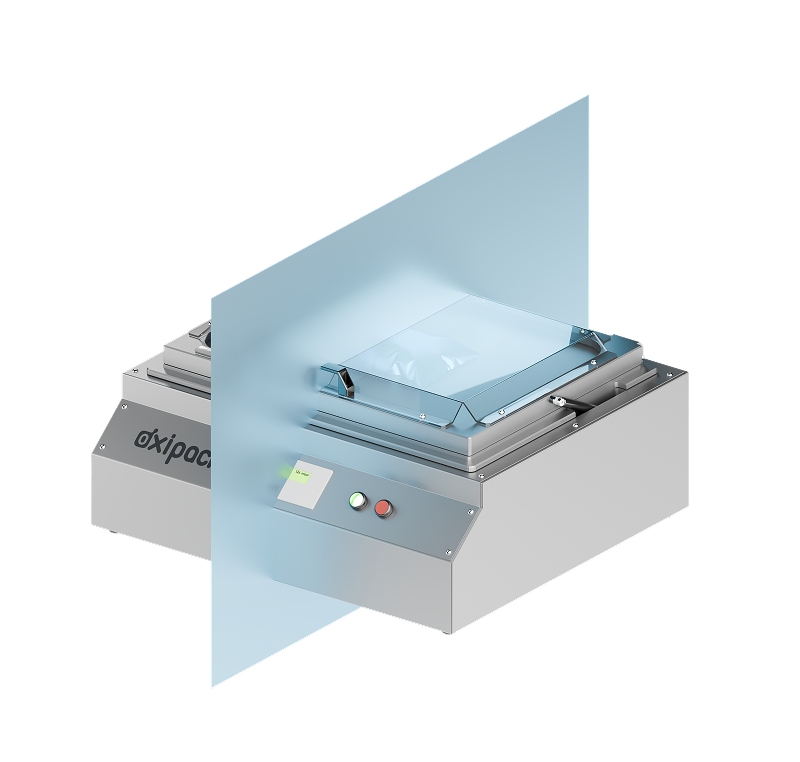
The system analyzes the pressure change to determine if the package is airtight or has a leak.

Unlike traditional methods, vacuum decay does not damage the packaging or product, allowing for retesting or further examination.
The vacuum decay method is fast and automated, making it ideal for large-scale production environments.
This method can detect very small leaks that other techniques might miss.
Vacuum decay testing is recognized by global regulatory bodies and aligns with industry standards, such as ASTM F2338.
Vacuum decay testing is well-suited for most food items, pharmaceuticals and medical devices, because of the safety and quality aspect. It can detect microleaks that are often missed by traditional testing methods.
Vacuum decay testing is well-suited for most food items, pharmaceuticals and medical devices, because of the safety and quality aspect. It can detect microleaks that are often missed by traditional testing methods.
Vacuum decay testing is well-suited for most food items, pharmaceuticals and medical devices, because of the safety and quality aspect. It can detect microleaks that are often missed by traditional testing methods.
Vacuum decay testing is well-suited for most food items, pharmaceuticals and medical devices, because of the safety and quality aspect. It can detect microleaks that are often missed by traditional testing methods.
Ensure proper Verification and Validation of the vacuum decay system for accurate results.
Regularly inspect the test chamber and seals to avoid false positives.
Set the appropriate test parameters (vacuum level, test duration) based on packaging type.
Maintain detailed documentation for regulatory compliance and quality assurance audits.


For more information about our products, services, or to discuss how we can assist with your leak detection needs, please contact us. Let's work together to create efficient, waste-reducing solutions for your packaging needs.
