
Flexible Packaging Leak Detection
Flexible packaging offers versatility, sustainability, and innovative designs that enhance product appeal and functionality. Oxipack’s advanced leak testing ensures airtight, contamination-free packaging, protecting product freshness and extending shelf life.
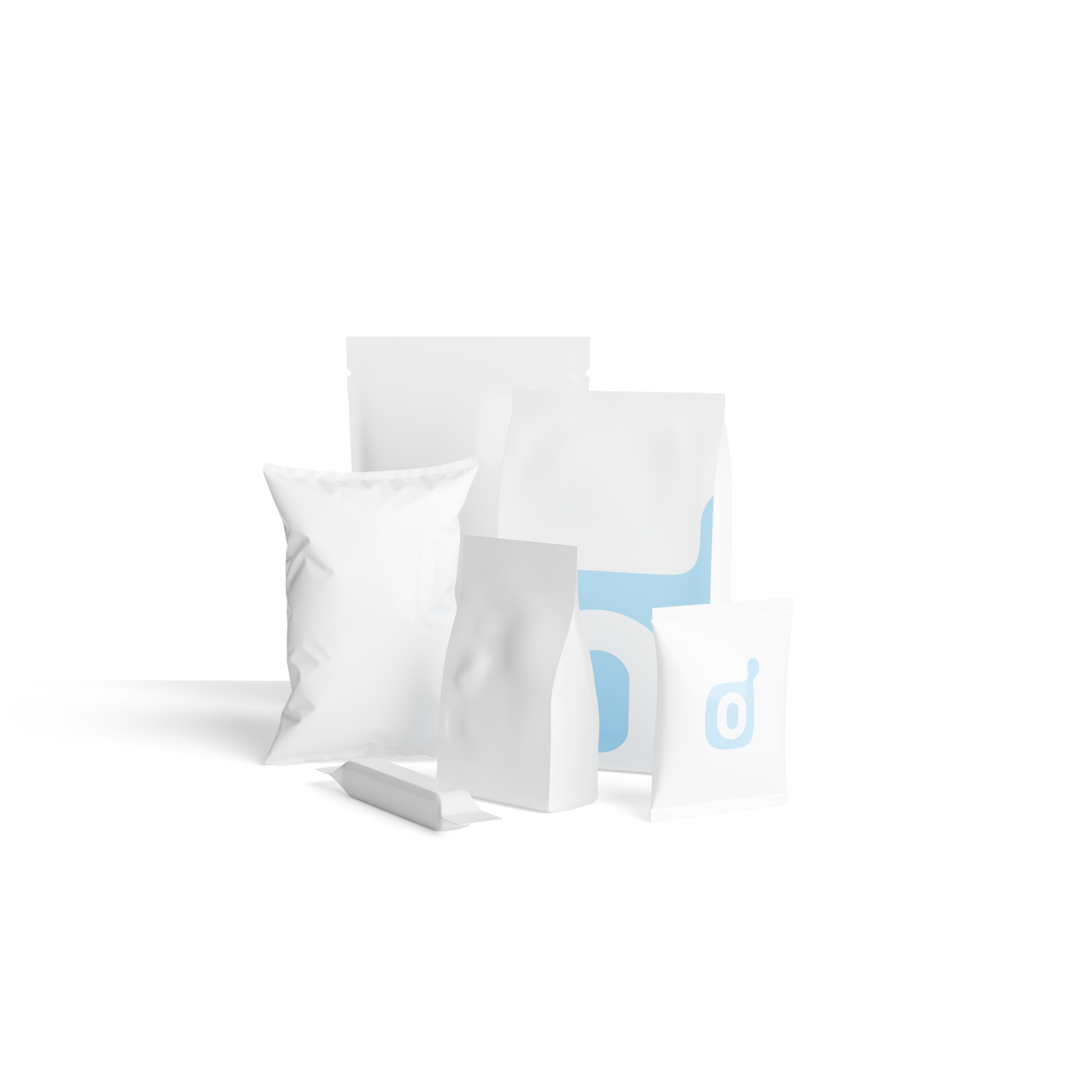


Non-Destructive Leak Testing: Protect Products, Preserve Trust
Our non-destructive leak testing methods play a crucial role in ensuring packaging integrity. Unlike traditional methods, Oxipack’s testing keeps your flexible packaging intact, preventing waste and allowing immediate corrective action.
Key Benefits
Preserves Package Integrity
Safely tests thin, delicate materials like films, laminates, and easy-peel packages without causing damage.
Ensures Product Quality
Detects leaks early, safeguarding perishable items such as food, pharmaceuticals, and cosmetics.
Reduces Costs
Avoids costly recalls by catching leaks early and maintains operational efficiency through rapid testing cycles.
Regulatory Compliance
Ensures packaging meets strict hygiene and safety standards, adhering to ASTM F2338.
Oxipack’s Flexible Packaging Testing Solutions
Oxipack designs custom leak detection systems for flexible packaging, ensuring reliable, non-destructive testing of pouches, sachets, and flow wraps.
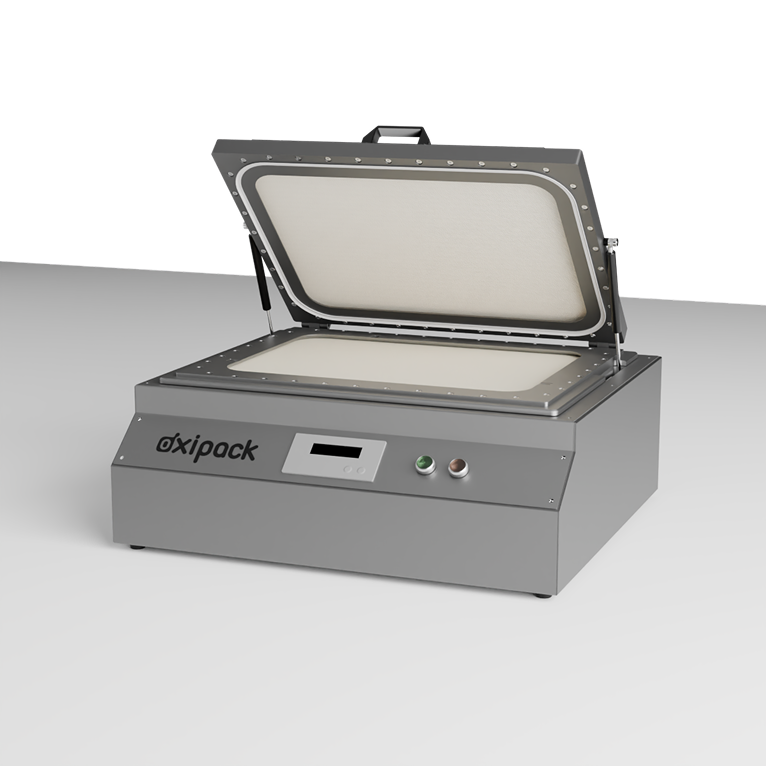

Stationary Leak Tester
- FDA-approved solution providing rapid, precise leak detection for pharmaceutical containers, including vials and ampoules.
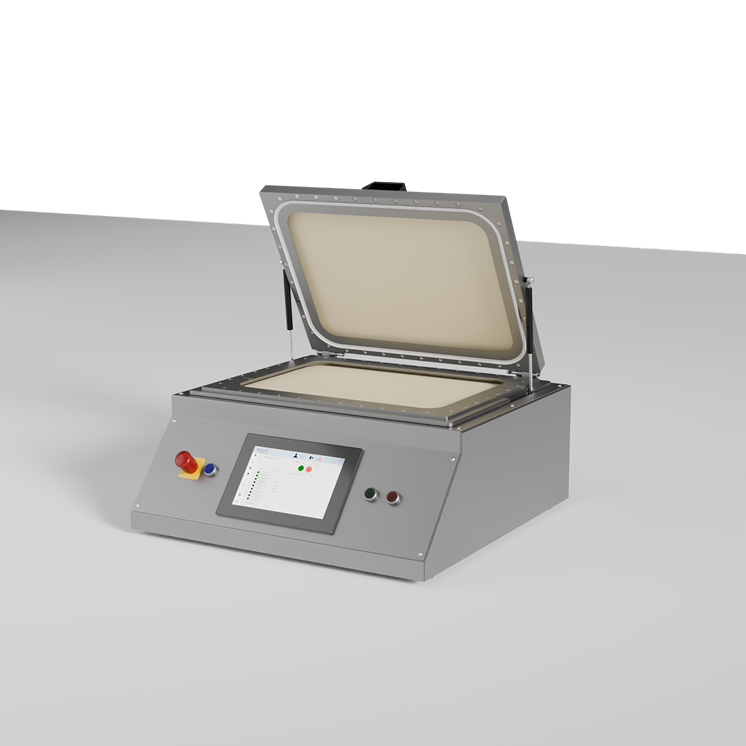
Stationary Leak Tester Pharmaceutical
- FDA-approved solution providing rapid, precise leak detection for pharmaceutical containers, including vials and ampoules.
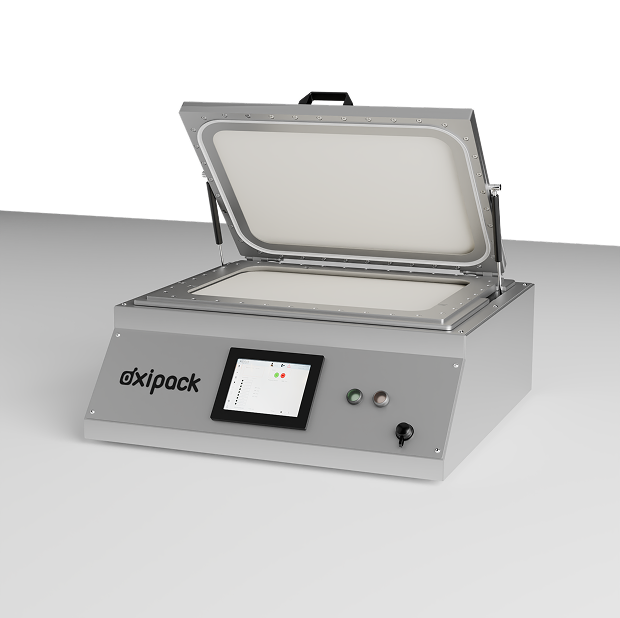
Stationary Leak Tester R&D
- FDA-approved solution providing rapid, precise leak detection for pharmaceutical containers, including vials and ampoules.
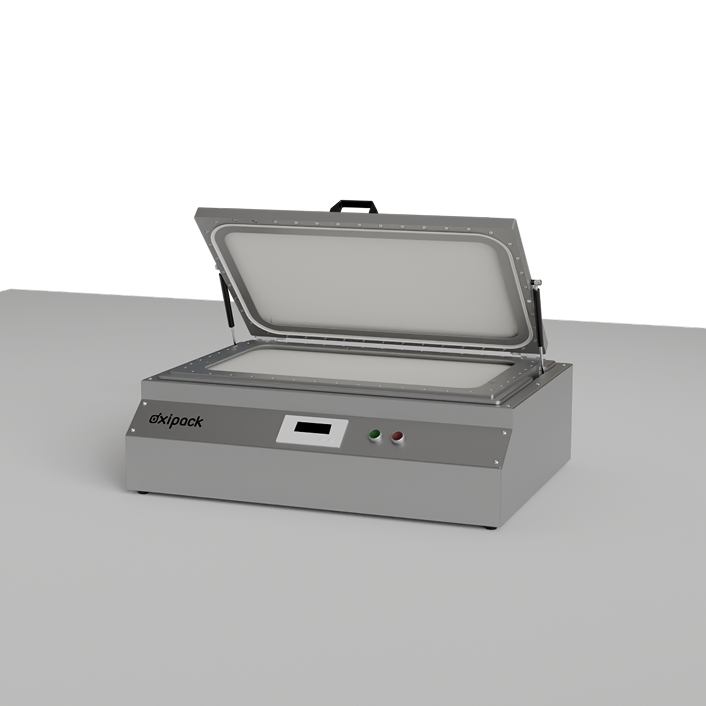
Stationary Leak Tester XL
- FDA-approved solution providing rapid, precise leak detection for pharmaceutical containers, including vials and ampoules.
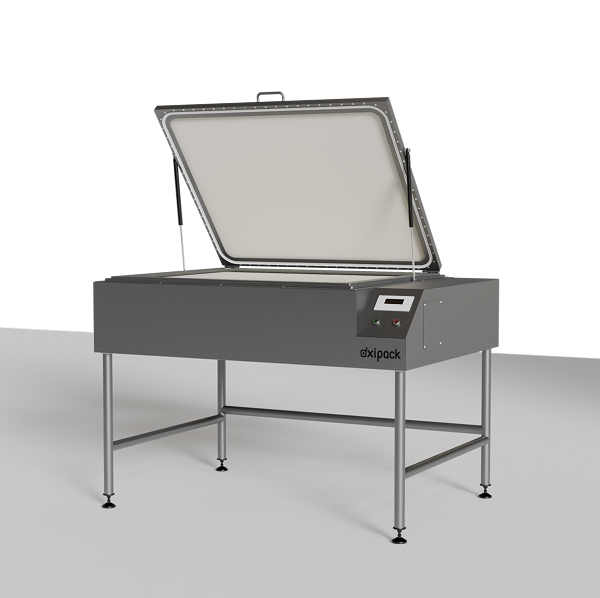
Stationary Leak Tester XXXL
- FDA-approved solution providing rapid, precise leak detection for pharmaceutical containers, including vials and ampoules.
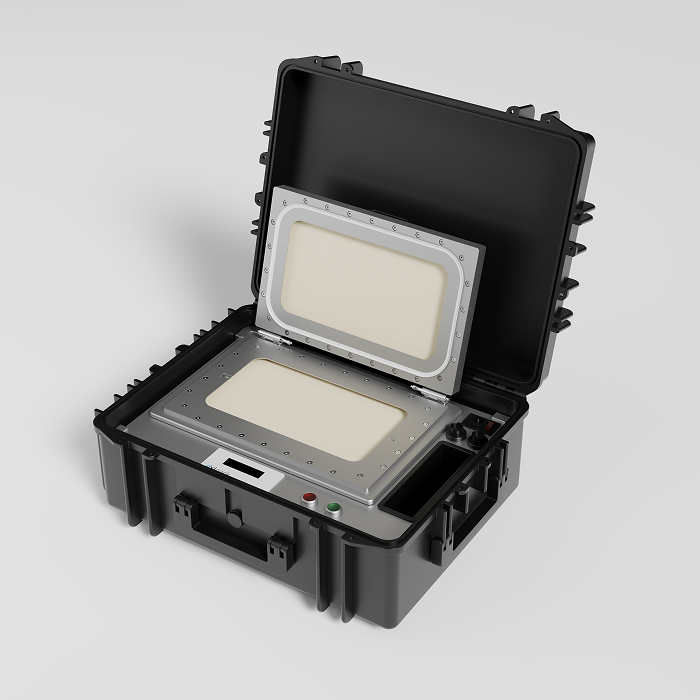
Travel Leak Tester
- FDA-approved solution providing rapid, precise leak detection for pharmaceutical containers, including vials and ampoules.


Why Oxipack?
Our cutting-edge vacuum decay technology ensures precise, real-time leak detection tailored specifically for flexible packaging.
Operators benefit from intuitive controls, minimal training requirements, and immediate visual feedback, boosting productivity and reliability.

Ready to Improve Your Flexible Packaging Integrity?
Contact us today to discuss how Oxipack can enhance your packaging process and product safety.

Frequently Asked Questions
With non-destructive leak detection, you can achieve considerable savings. Leaking packages cause losses across the entire chain and could inflict significant damage to a brand’s image. Each factory is unique and savings are relative to the circumstances, the product and the raw materials used. Non-destructive leak testing allows for even bigger savings: all approved products can go back in the production line. You can imagine our machines have recouped themselves within a couple of months.
The most common leak detection method is de vacuum decay test method, used to detect leaks in flexible and rigid packaging.
You can use leak testers for process control, ensuring quality by identifying minor leaks in packaged food items. The leak tester results will help you solve leakage problems, which are usually the result of sealing issues.
A leak test identifies leakages in packaging materials that cause the ingress of air or moisture into the packed items. It is a procedure used to determine whether or not an object or system is functioning within a specific leakage limit. Leaks occur if there is a defect, like a hole or crack, in an object, thus allowing the liquid or gas it is holding to flow out.
A leak, according to ASTM F17.2740, is a hole, void, or defect in the packaging material or mated components of a package capable of passing particulate, aerosols, liquid, or gas from one side (inside or outside) of the package to the other side contrary to intention.
Leak detection methods such as vacuum decay and bubble tests are widely utilized in pharmaceutical packaging. By conducting thorough leak tests, manufacturers can ensure container closure integrity testing, thereby safeguarding product safety. These techniques, facilitated by leak detectors, play a crucial role in maintaining the required quality standards and preventing potential product contamination or loss.