
Ever since the advent of vacuum packaging, the coffee industry has faced persistent challenges with micro leaks, which traditionally could only be detected after a time-consuming 16-24 hour wait. This delay meant that leaking packaging could go unnoticed for hours, potentially compromising entire production batches.

Traditional Leak Detection Methods
Historically, the only method to detect leaks in vacuum-packed coffee was manual compression of each package to test for softness, indicating air ingress. This process was later semi-automated; shortly after sealing, the seals were tested, and a mechanical system would remove packs with obvious large leaks after ten minutes. However, smaller leaks required the coffee to sit for 24 hours to allow for manual checks—a labor-intensive and inefficient method that still missed many smaller leaks.
The Cost of Inefficiency
This inefficient system not only required extensive labor but also delayed the distribution process as pallets of coffee packs were stored and re-checked multiple times. Management often remained unaware of the scale of the leakage problem until significant losses triggered a crisis, leading to urgent and costly measures to repackage potentially entire production runs.
Oxipack’s Innovative Solution
Recognizing these challenges, Oxipack has developed an innovative in-line leak detection method that identifies even the smallest leaks within ten minutes of vacuum sealing. This system measures the pressure inside each pack and compares it across the production line. Any deviation from the norm is flagged as a potential leak. This method adapts to changes in production speeds and other variables, making it highly accurate and reliable.
Benefits of In-Line Leak Detection
Oxipack's in-line leak detection system offers numerous advantages over traditional methods:
- Immediate detection: Leaks are identified right after packaging, drastically reducing the waiting period.
- Reduced labor costs: Eliminates the need for multiple manual checks.
- Decreased storage needs: With immediate testing, there's no need to store pallets for extended periods, freeing up warehouse space and improving working capital.
- Increased efficiency: The system is self-regulating and learns to adjust to the nuances of the production process, ensuring high precision.
Investing in Future-Proof Technology
The initial investment in Oxipack’s technology quickly pays for itself by markedly reducing the percentage of leaks, minimizing handling costs, and enhancing overall production efficiency. For the coffee sector, adopting such advanced technology means not just solving a persistent problem but setting a new standard in packaging quality assurance.
Are you ready to enhance your coffee packaging process with Oxipack’s cutting-edge leak detection technology? Contact us at info@oxipack.com to learn more about how we can help you secure the quality of your products.
Share this post

Still not sure?
Let’s get in touch.
Thank you for your submission!

Explore More Resources

Validating Cap Seal Integrity with Oxipack's Cutting-Edge Leak Detection Techniques
Oxipack's development team frequently receives inquiries from R&D managers, product developers, packaging technologists, and engineers who are looking to enhance their leak detection systems or to validate new packaging concepts.
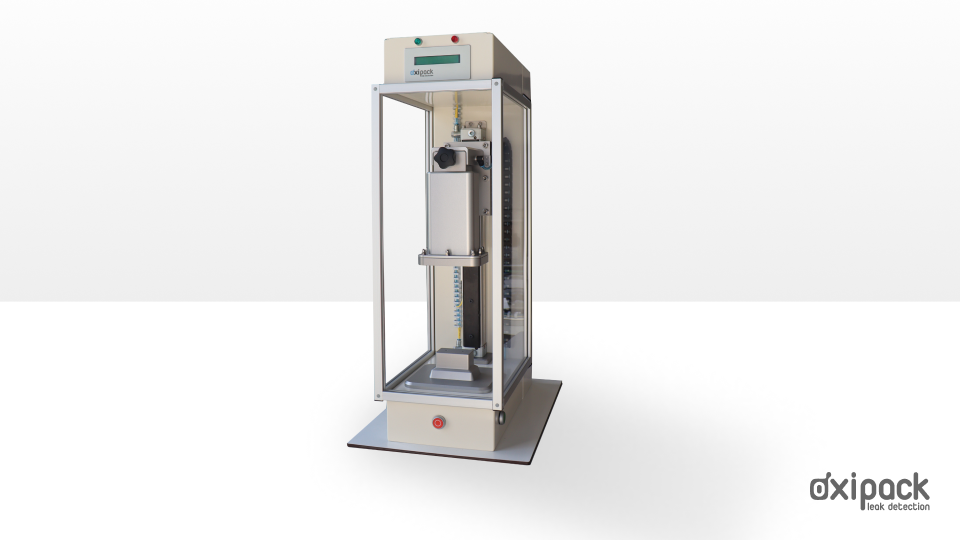
Securing Infant Nutrition: Oxipack's Custom Leak Detection Solutions
A few years ago, the director of operations from a prominent US-based infant nutrition company reached out to Oxipack. The goal was clear: to implement a non-destructive method for detecting micro leaks in their metal-based and composite (carton) cans of infant nutrition.
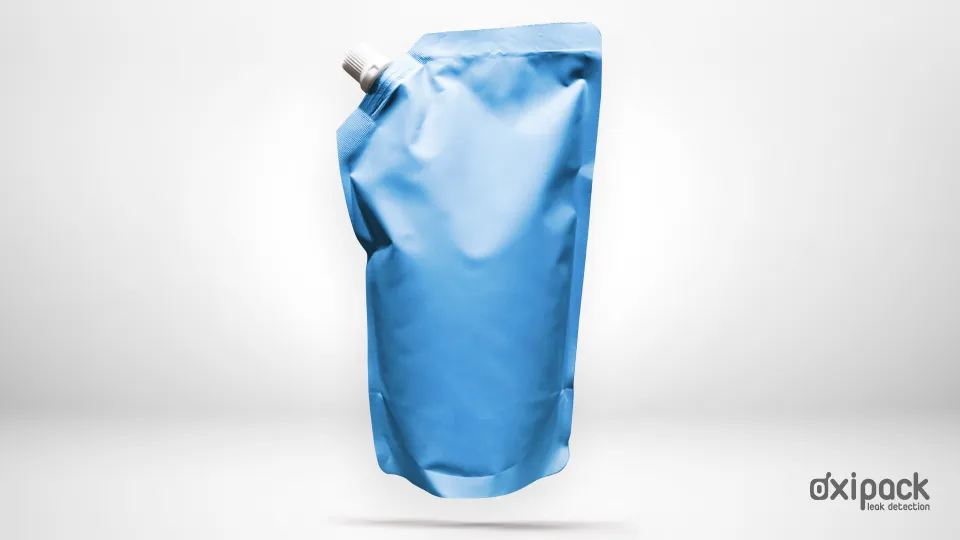
Revolutionizing Leak Detection for Doypacks with Oxipack’s Stationary Leak Tester
A packaging engineer from a new factory in Latin America, specializing in tomato-based sauces packaged in doypacks, recently inquired about testing their products for leaks to ensure they are leak-tight. Upon receiving samples, the Oxipack Centre of Expertise conducted tests on the doypacks and pouches filled with sauce.